10 hr
Kaikōura Whale Watching Day Trip from Christchurch
- Expert local guide
- Small group
- Skip-the-line access
- Free cancellation
Christchurch to Kaikoura Tour — Coastal Drives & Marine Encounters
Where the Southern Alps meet the Pacific, a two-hour coastal corridor unfolds.
Compare fares, pick the fit — all bookings are mobile-voucher and eligible for free cancellation where shown.
10 hr
10 hr
10 hr
| Experience | From | Duration | Pickup | Skip-the-line | Guide | Small group | Price | |
|---|---|---|---|---|---|---|---|---|
|
Guided Experience
Most popular
Kaikōura Whale Watching Day Trip from Christchurch
|
Christchurch | 10 hr | ✓ | ✓ | ✓ | ✓ | €194 | Book → |
|
Guided Experience
Kaikōura Dolphin Encounter Day Trip from Christchurch
|
Christchurch | 10 hr | ✓ | ✓ | ✓ | ✓ | €198 | Book → |
|
Guided Experience
Kaikoura Coastal Wildlife Day Trip from Christchurch
|
Christchurch | 10 hr | ✓ | ✓ | ✓ | ✓ | €152 | Book → |
Worth it for culture seekers, skippable for pure adventurers
The Kaikōura Museum charges 12 NZD for foreign adults and operates from 10:00 to 16:00 daily, making it an accessible cultural counterpoint to the region's dominant whale-watching tours and coastal walks. Inside, you'll find maritime heritage exhibits, Māori taonga, and earthquake recovery narratives that ground the town's identity beyond its wildlife economy. For visitors on a Christchurch to Kaikoura tour who want context—how the 2016 quake reshaped infrastructure, why whaling gave way to conservation, what Ngāi Tahu stewardship means here—this compact museum delivers depth that the seafront alone cannot. It's worth it if you value place-based storytelling and have an hour to spare between seal colonies and lunch. Skip it if your Christchurch–Kaikōura day trip is tightly scheduled around marine encounters, or if you prioritize natural over cultural attractions. The modest admission reflects its scale: this is a community museum, not a blockbuster institution.
Bottom line: If your christchurch to kaikoura tour tickets already include marine experiences, the museum adds cultural texture that justifies the hour and the price.
Hand-picked experiences loved by thousands of travelers
10 hours
Free Cancellation
Paddle among fur seals and search for dolphins on a full-day coastal adventure from Christchurch
10 hours
Free Cancellation
Soar above sperm whales on a 30-minute scenic flight, explore the dramatic Kaikōura Peninsula, and discover coastal wildlife on this full-day adventure.
11 hours
Free Cancellation
Full-day guided expedition to New Zealand's marine capital with whale watching, seal colonies, and coastal scenery
7 hours
Free Cancellation
Journey north to witness giant sperm whales, dolphins, and seals where the Southern Alps plunge into the Pacific
11 hours
Free Cancellation
Full-day small group journey to Kaikōura with lunch, wildlife encounters, and optional marine adventures
2 days
Free Cancellation
Explore New Zealand's marine wildlife hub with guided coastal walks, seal spotting, and overnight stay
A long-term exhibition documenting the 2016 Kaikōura earthquake impacts.
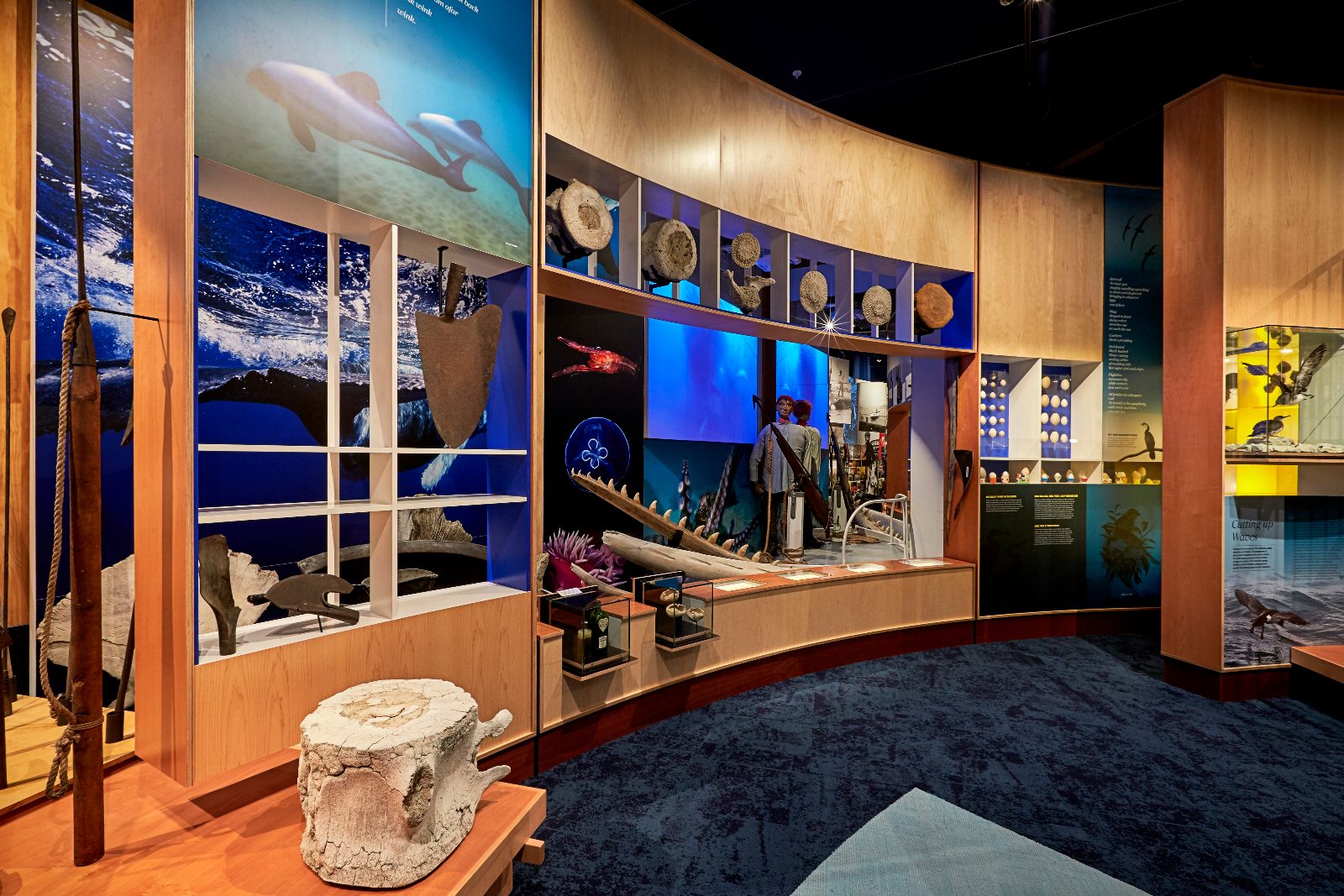
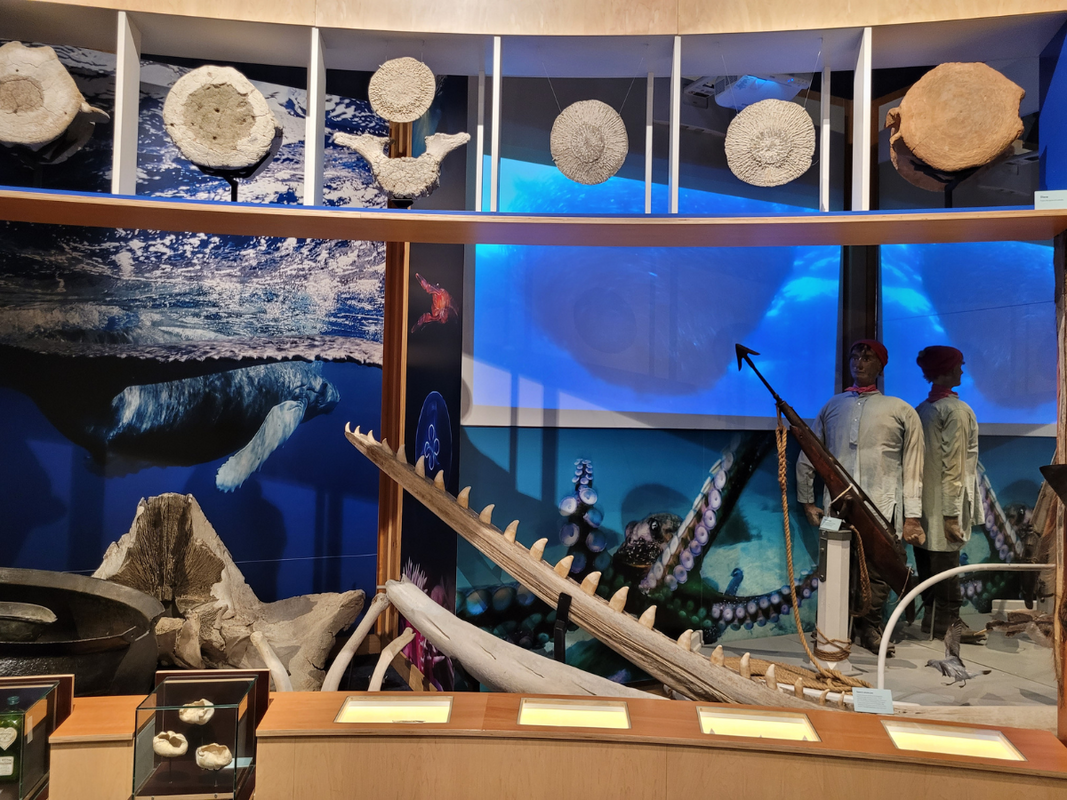
Restored tools and logs from the region's historical whaling station era.
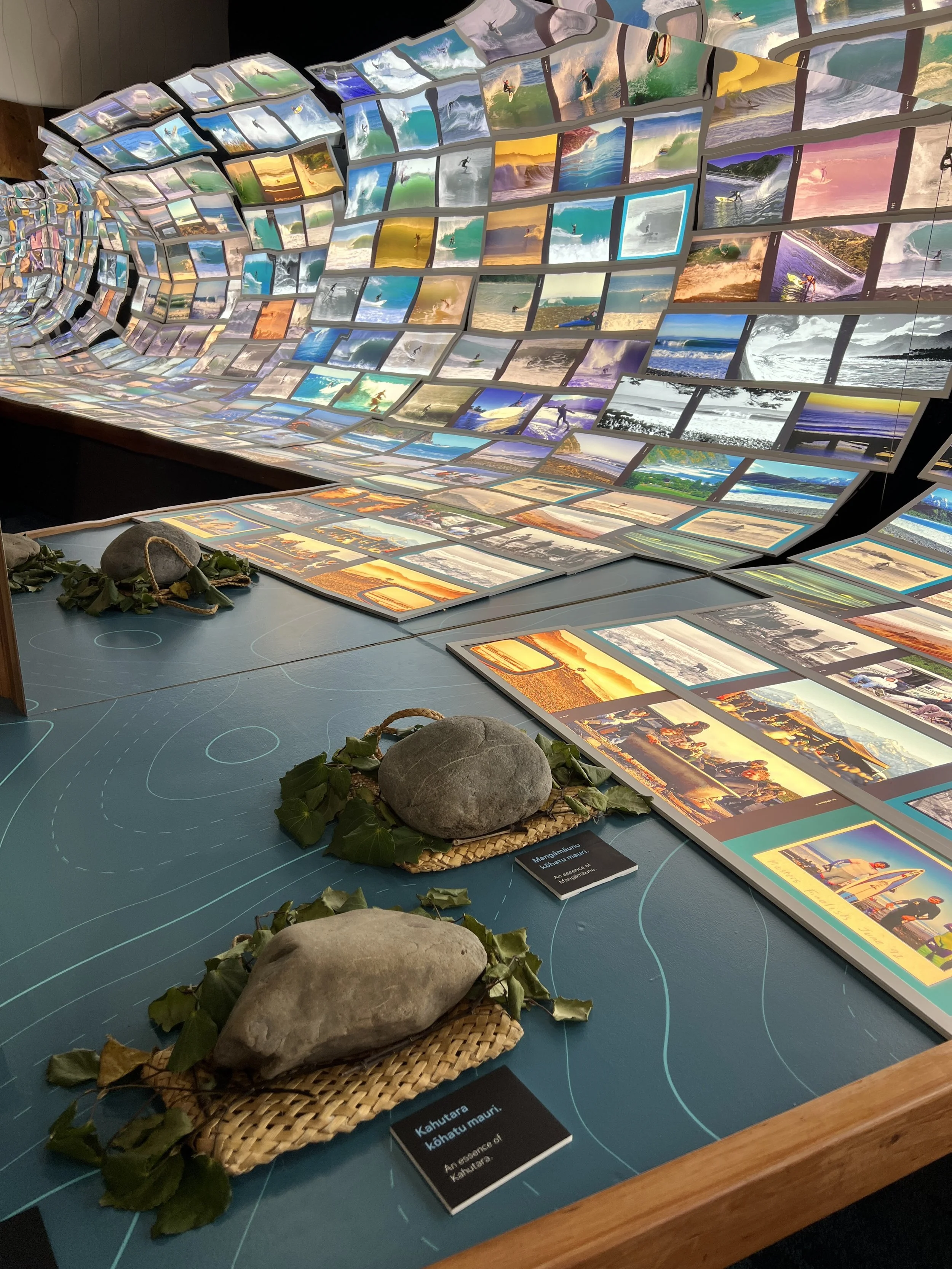
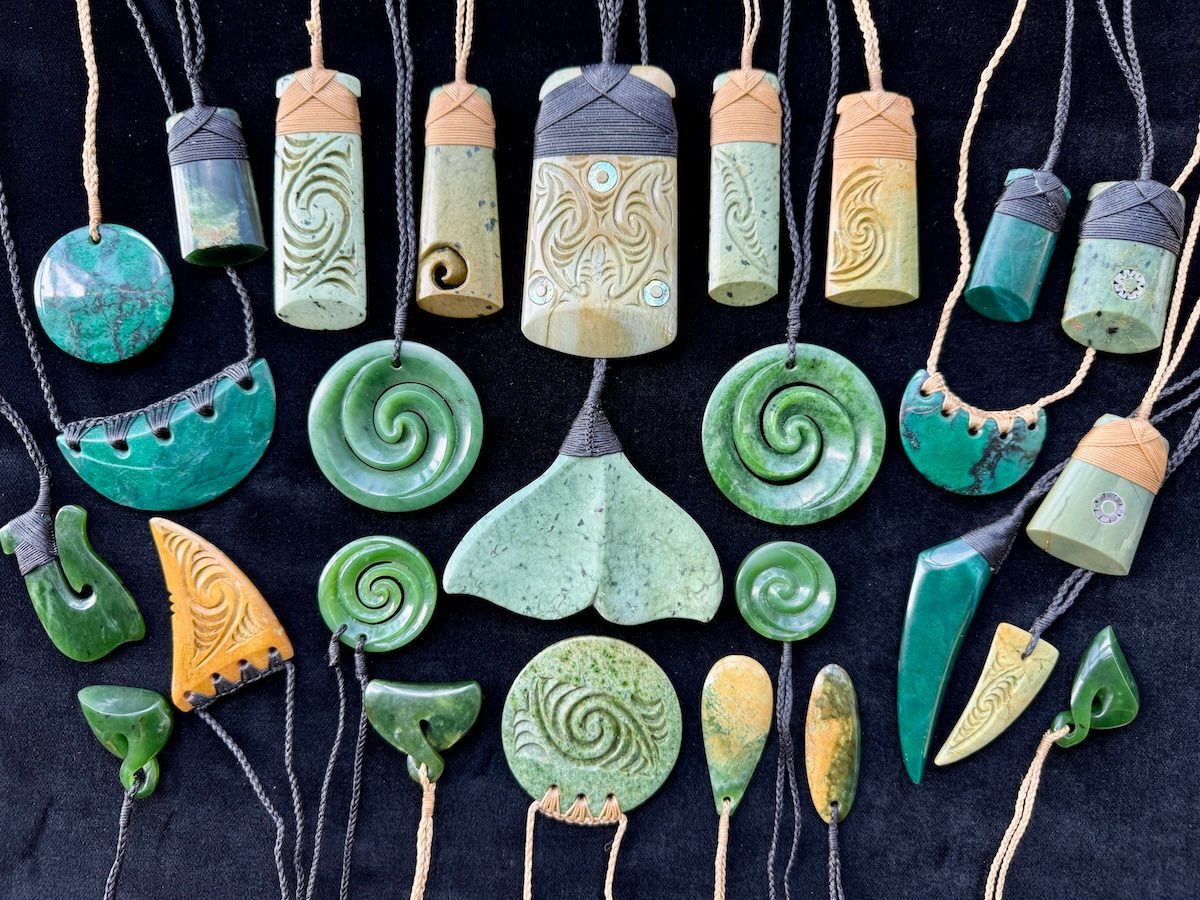
A significant collection of cultural artifacts reflecting the indigenous heritage.
Exhibits showcasing sperm whales and dolphins found in local waters.
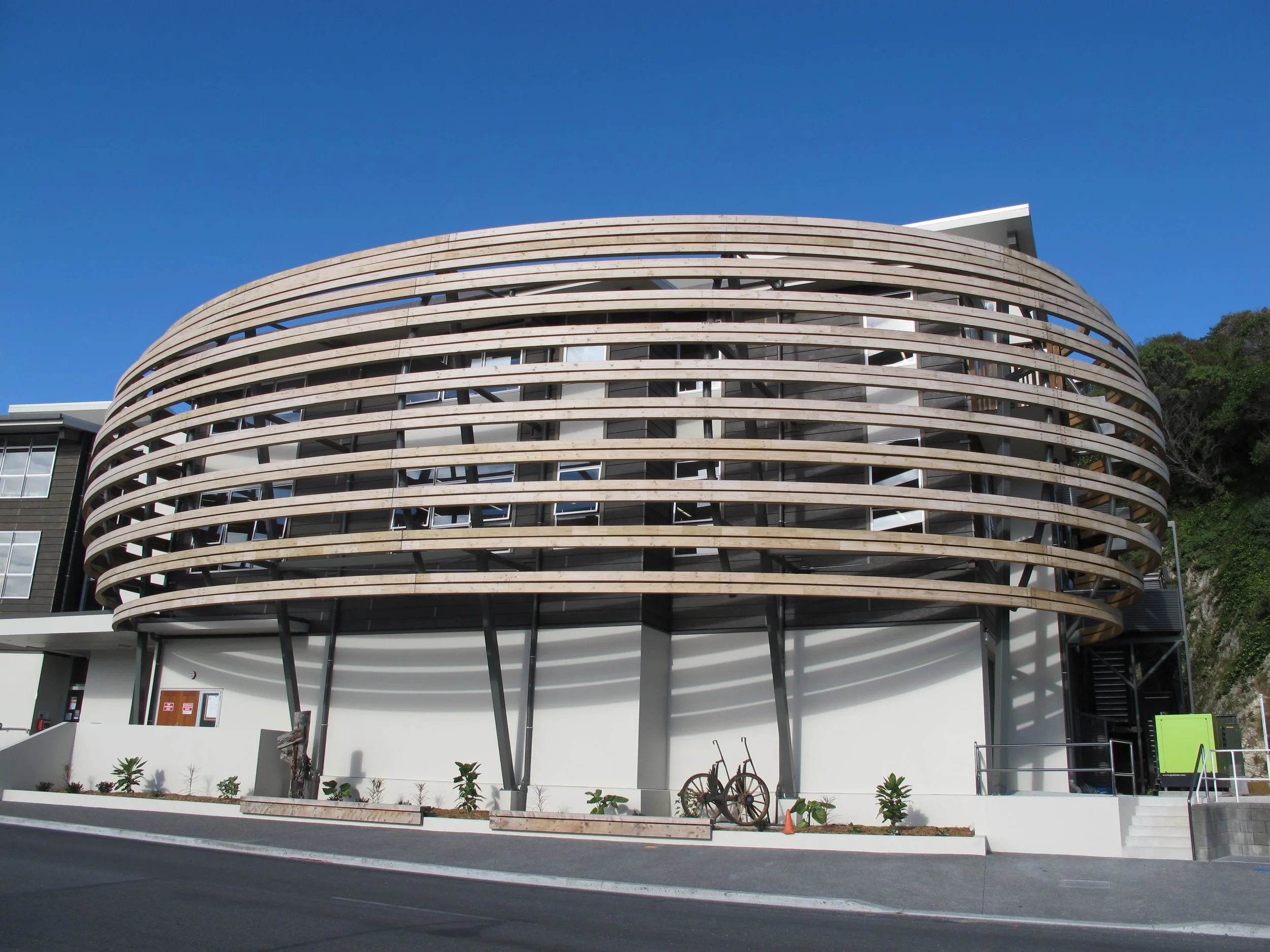
The museum is housed in the iconic local landmark craypot building.
You leave Christchurch's orbital sprawl behind, merging onto State Highway 1 as the Canterbury Plains stretch flat and golden toward the ranges. The first hour passes through dairy country and small townships — Amberley, Cheviot — where the road climbs gently inland before returning to the coast at Oaro.
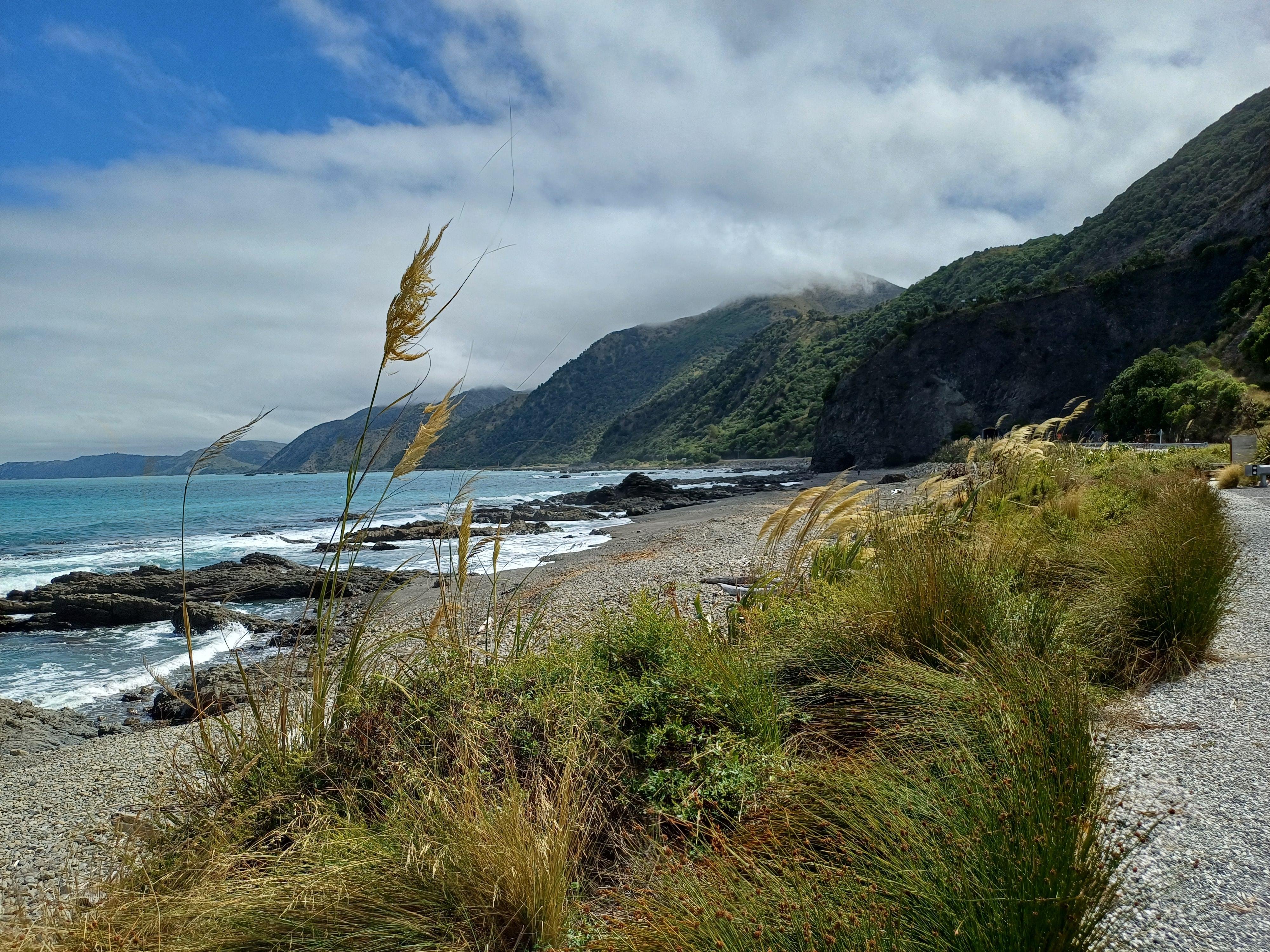
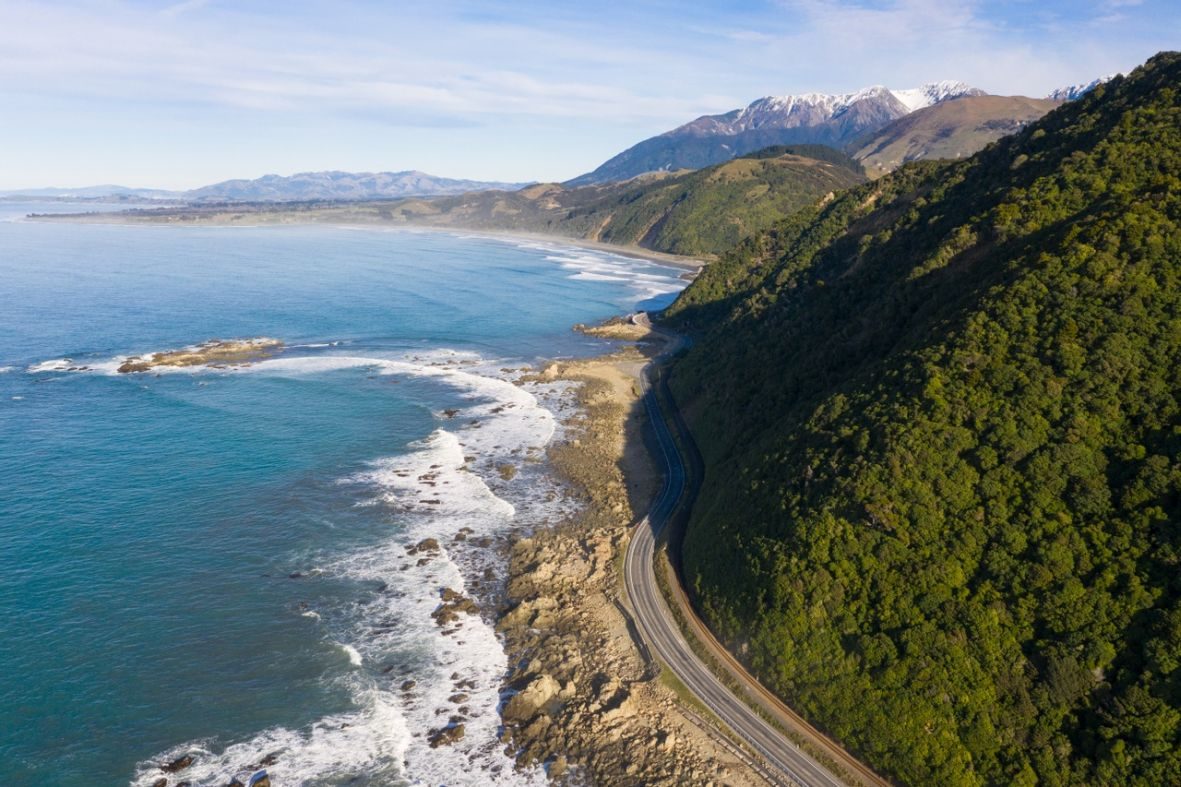
You pull over at the limestone lookout above Haumuri Bluffs, where the Pacific stretches unbroken to the horizon and the highway ahead clings to the mountainside in a narrow ribbon. The air smells of salt and kelp.
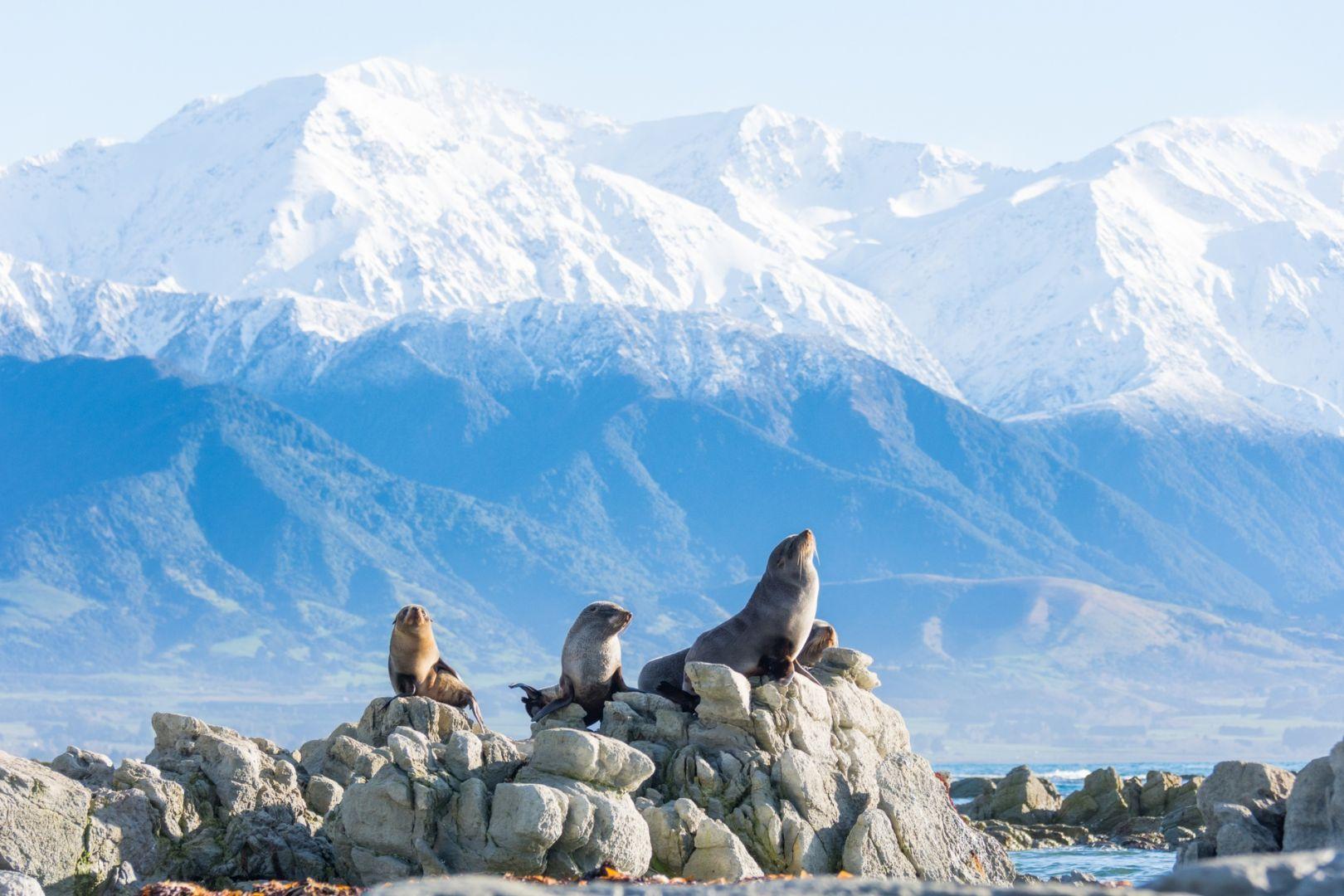
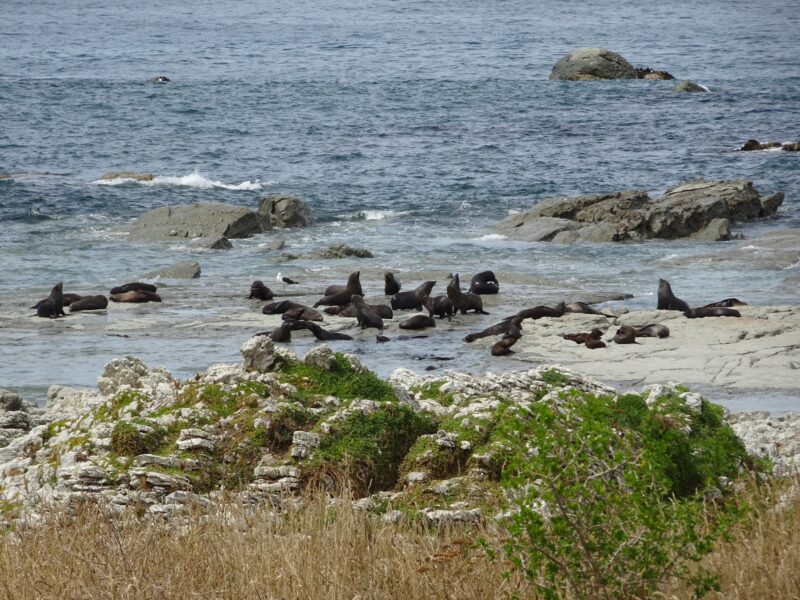
You descend through a pair of single-lane tunnels, emerging onto a stretch where seal colonies bask on tidal rocks a few metres below the roadside barrier. You slow to let oncoming traffic pass, then continue north as the Seaward Kaikōura Range rises steeply to your left, its ridgelines still dusted with late-season snow. The peninsula appears ahead, a low limestone finger extending into the sea, and you enter Kaikoura town along the waterfront, parking near the marina. You walk to 96 West End, where the Kaikōura Museum occupies a modest building fronted by a faded mural. Inside, you trace the timeline of whaling stations, earthquake aftershocks, and crayfishing fleets, the exhibits dense with photographs and salvaged equipment. You leave at mid-afternoon, the marine canyon and its resident whales now contextualised by the journey you've just completed.
All the details about your upcoming adventure in one place
This christchurch to kaikoura tour follows the scenic Pacific Coast Highway, stopping at seal colonies, whale-watching hubs, and coastal lookouts along the way. The journey traces the alpine-meets-ocean landscape where the Seaward Kaikoura Range drops sharply into the Pacific, offering marine wildlife encounters and photographic access to the peninsula's limestone cliffs. Christchurch to kaikoura tour tickets include guided commentary on the region's geology, marine ecosystems, and Māori cultural sites.
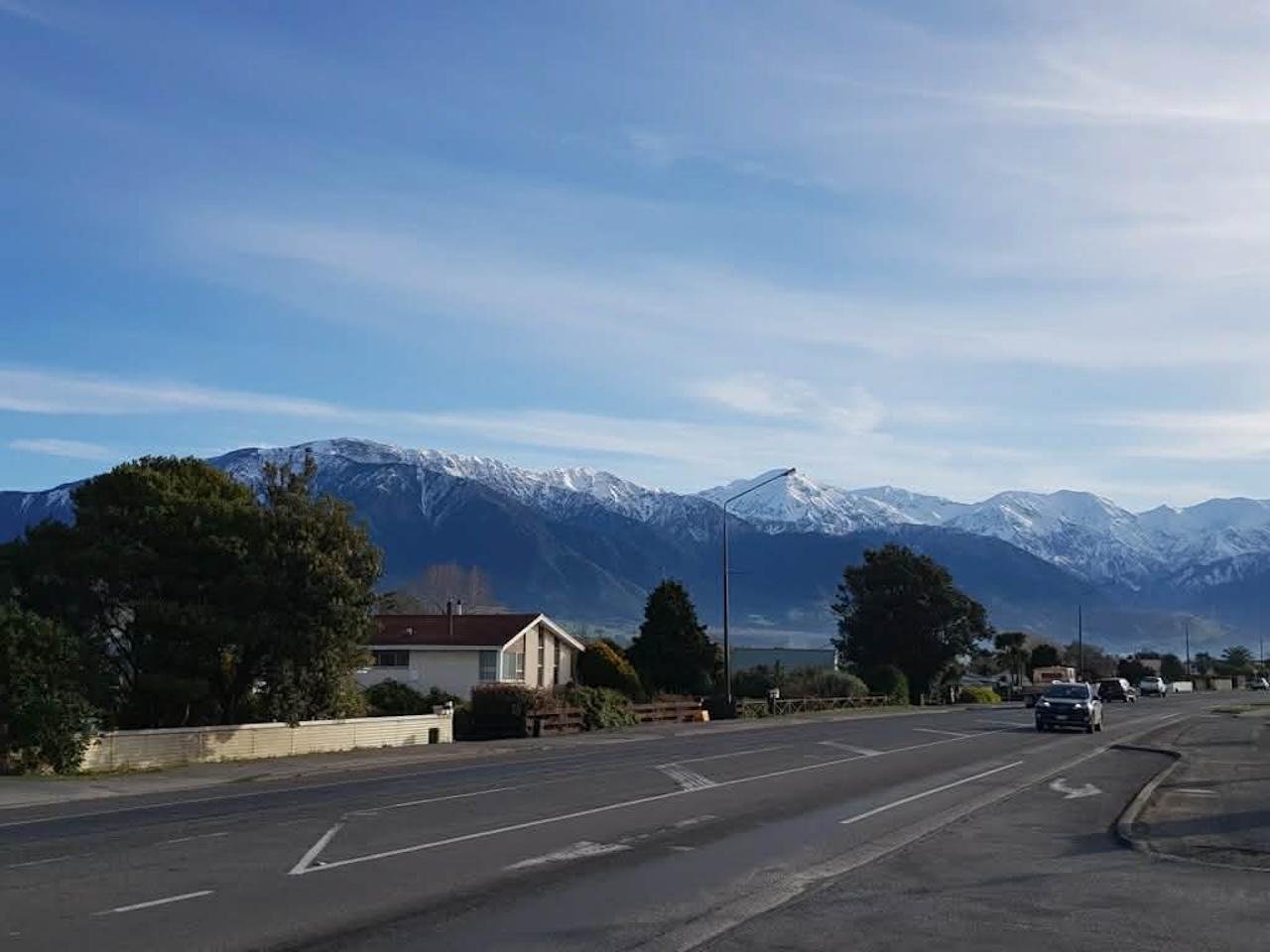
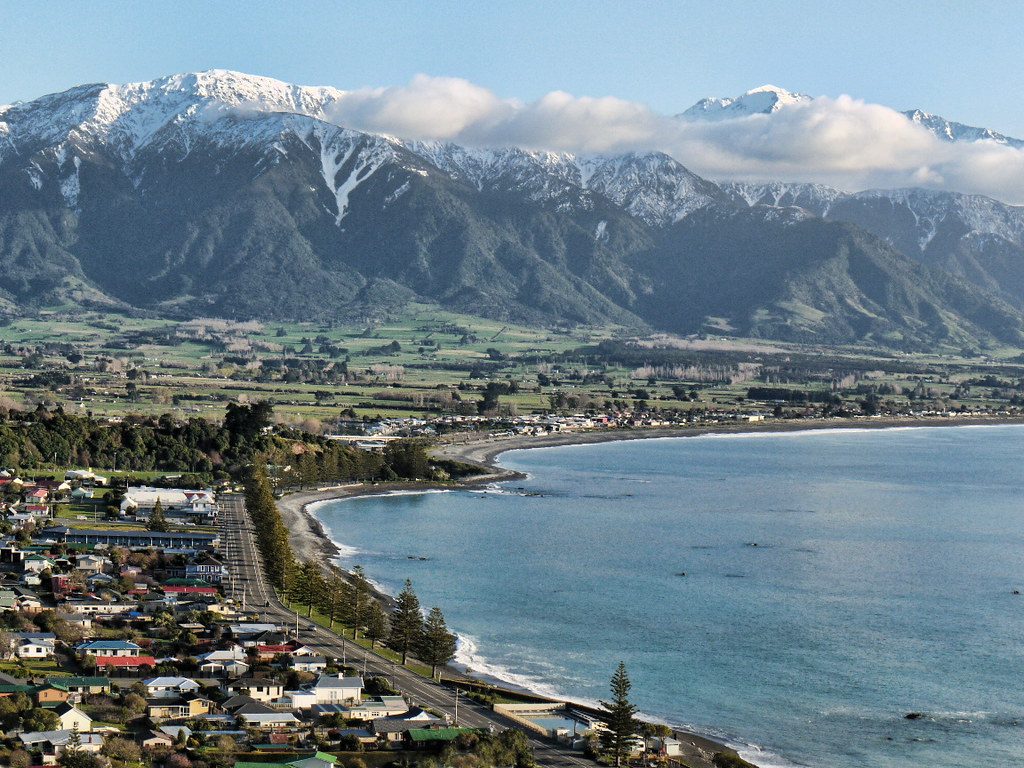
The 181-kilometre corridor between Christchurch and Kaikoura follows State Highway 1 along a narrow coastal shelf where the Seaward Kaikōura Range descends abruptly into the Pacific.
The route was completed in 1945, linking the isolated fishing settlement to Canterbury's urban center, but remained vulnerable to seismic disruption until the 2016 earthquake severed access for more than a year. Engineers rerouted sections inland, raising the roadbed above slip zones and embedding the highway into the fractured geology with reinforced embankments. The reopened route now carries visitors through a landscape defined by tectonic collision — the Australian and Pacific plates grind together offshore, lifting the seabed and creating the Hikurangi Trench, a submarine canyon that plunges to 1,200 metres within a kilometre of shore. This abrupt bathymetry draws deep-water nutrients to the surface, sustaining one of New Zealand's densest marine ecosystems.
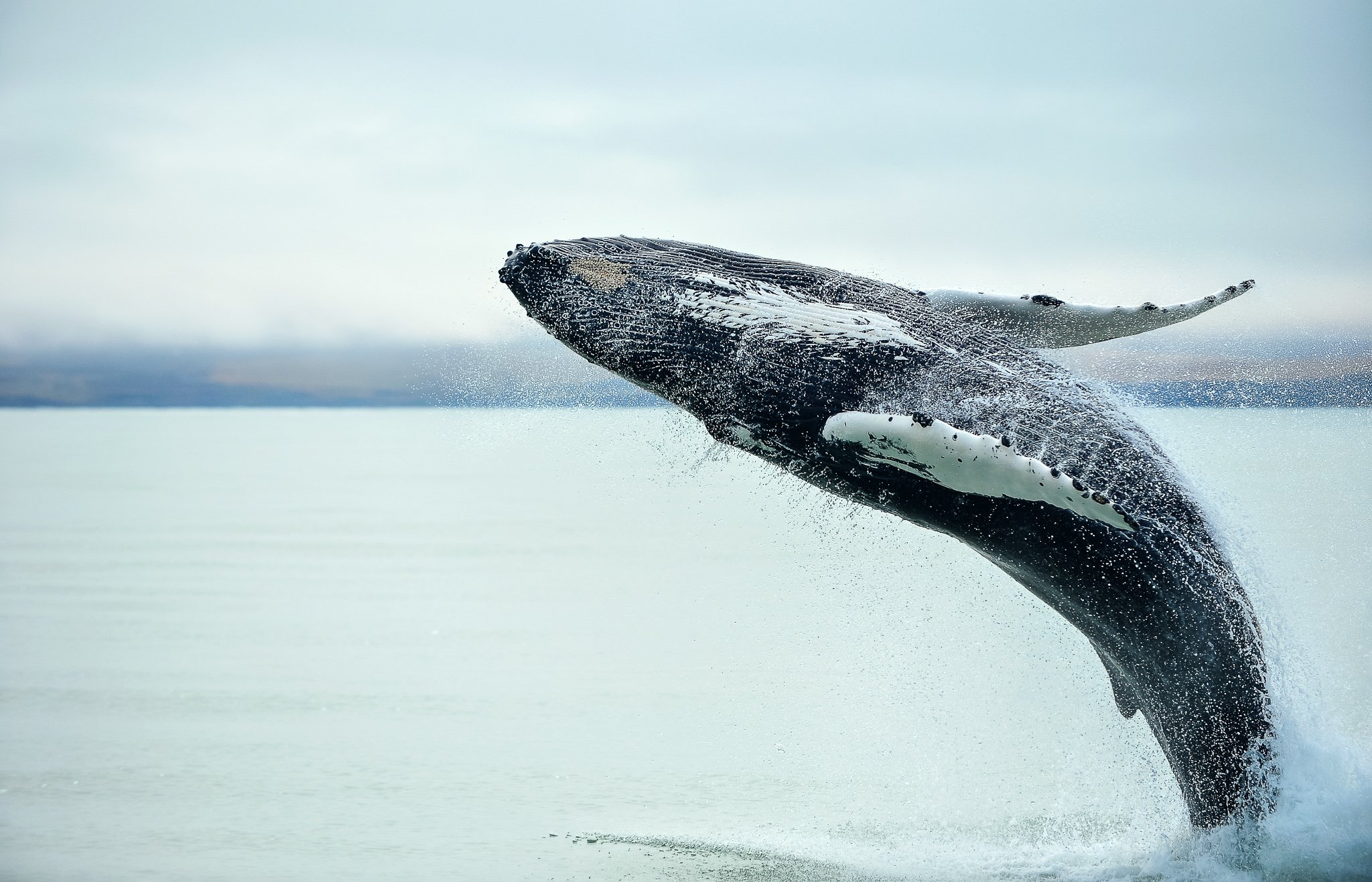
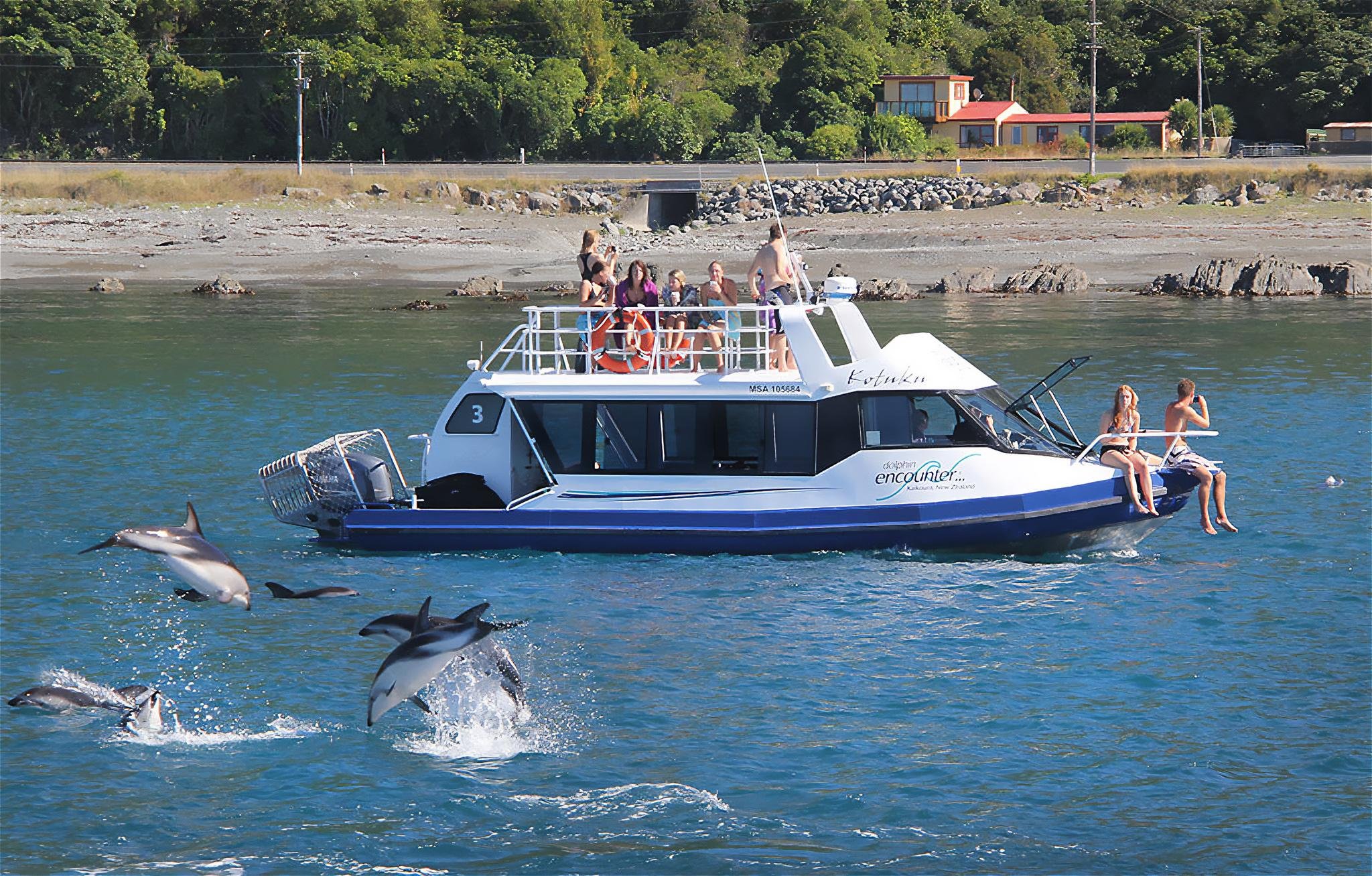
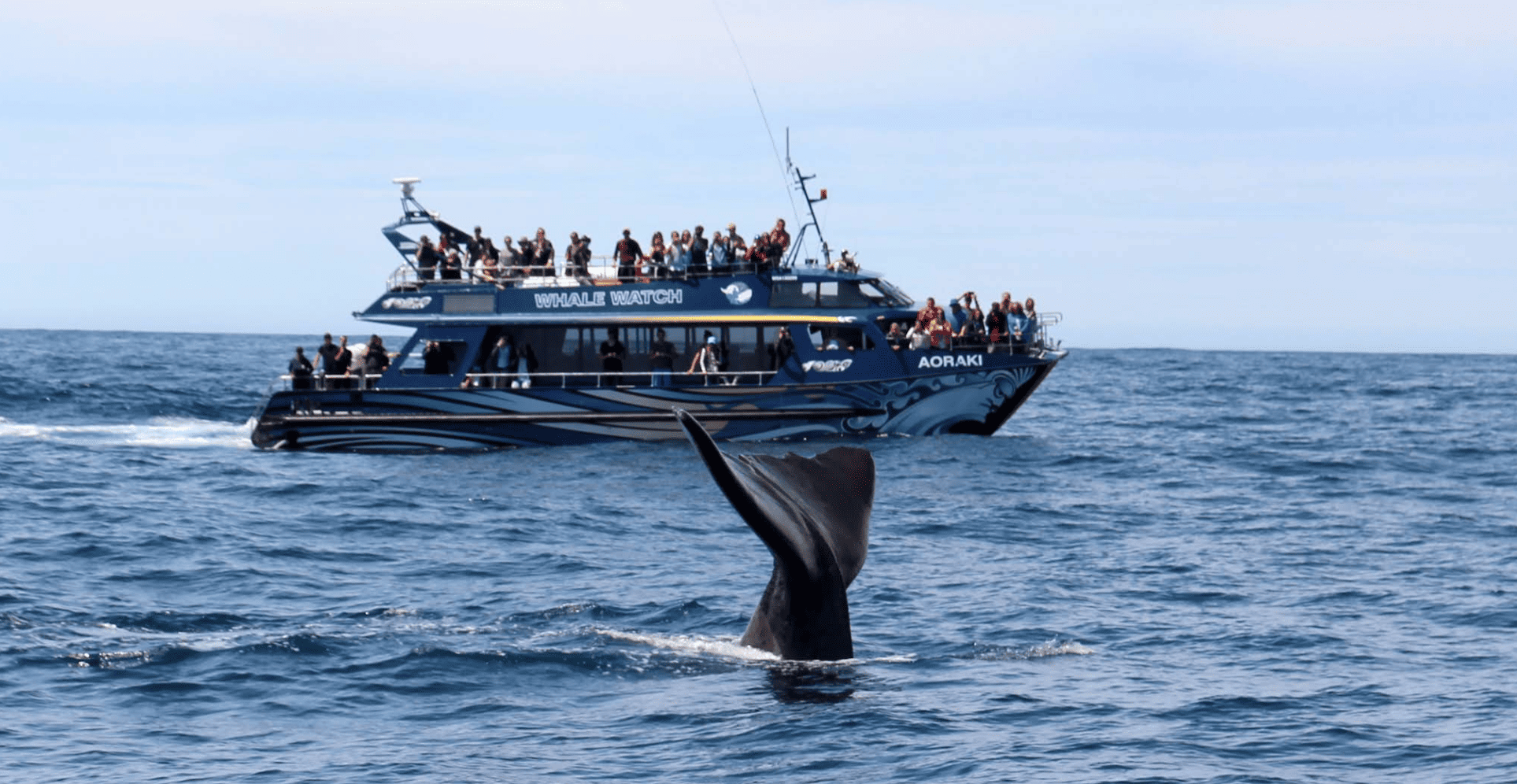
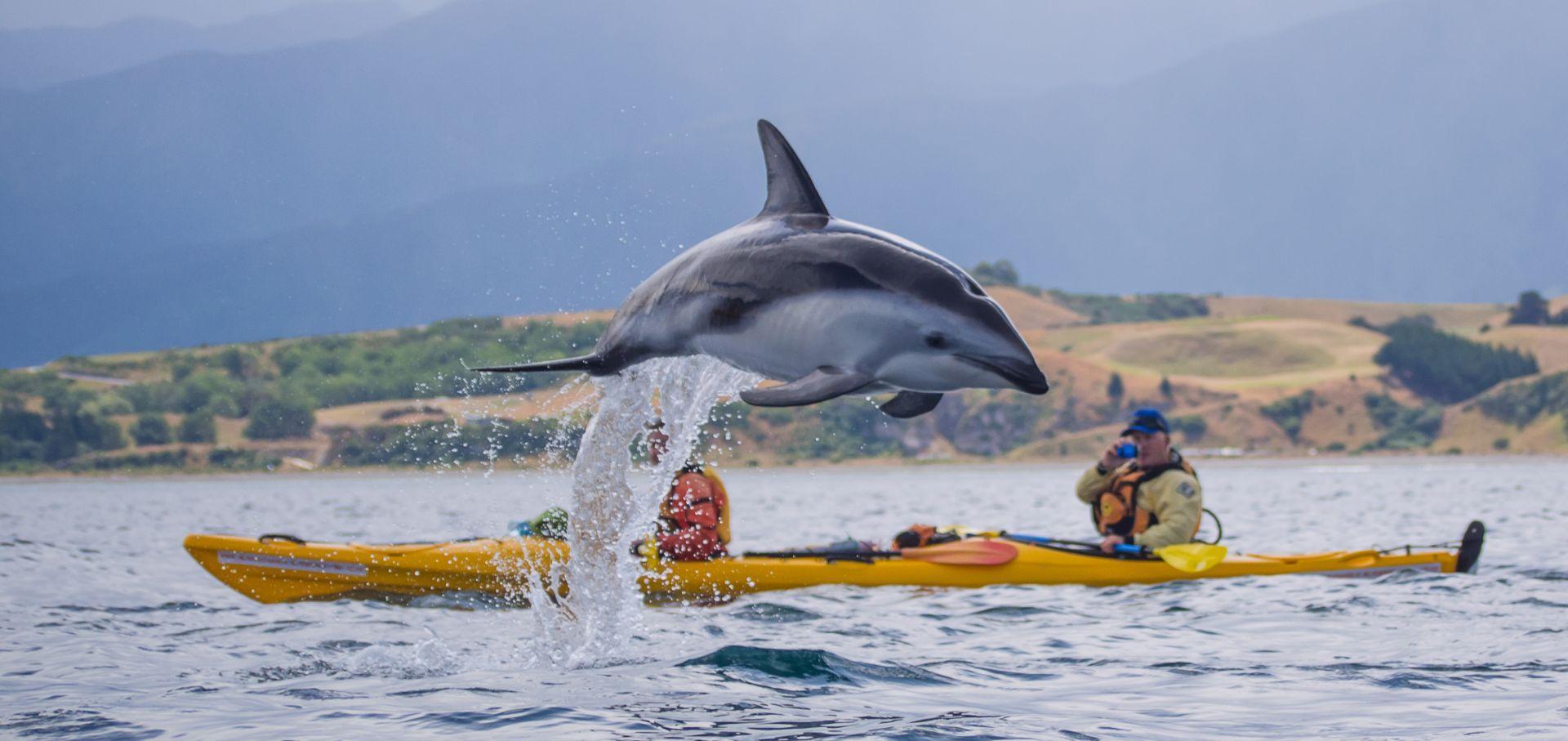
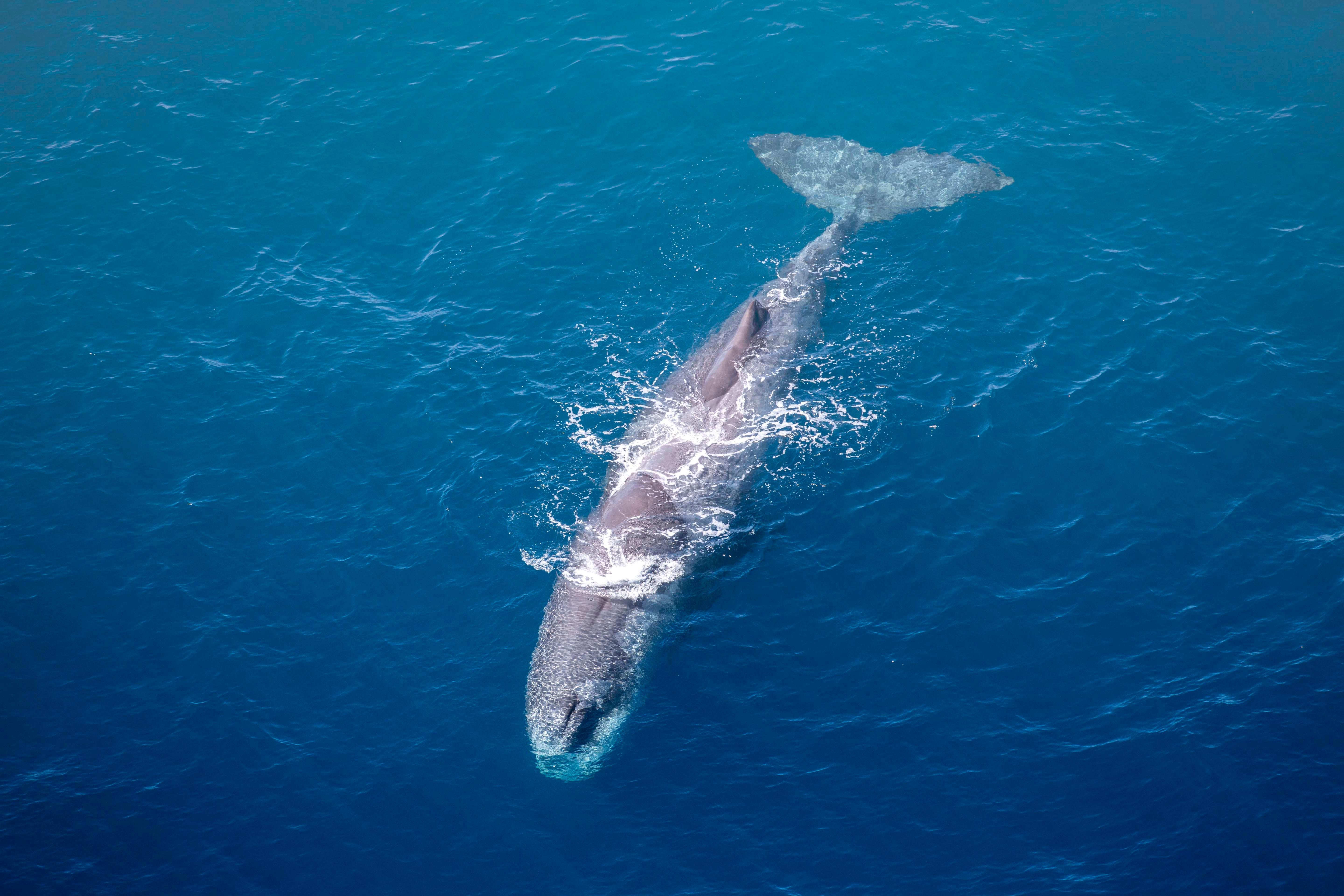
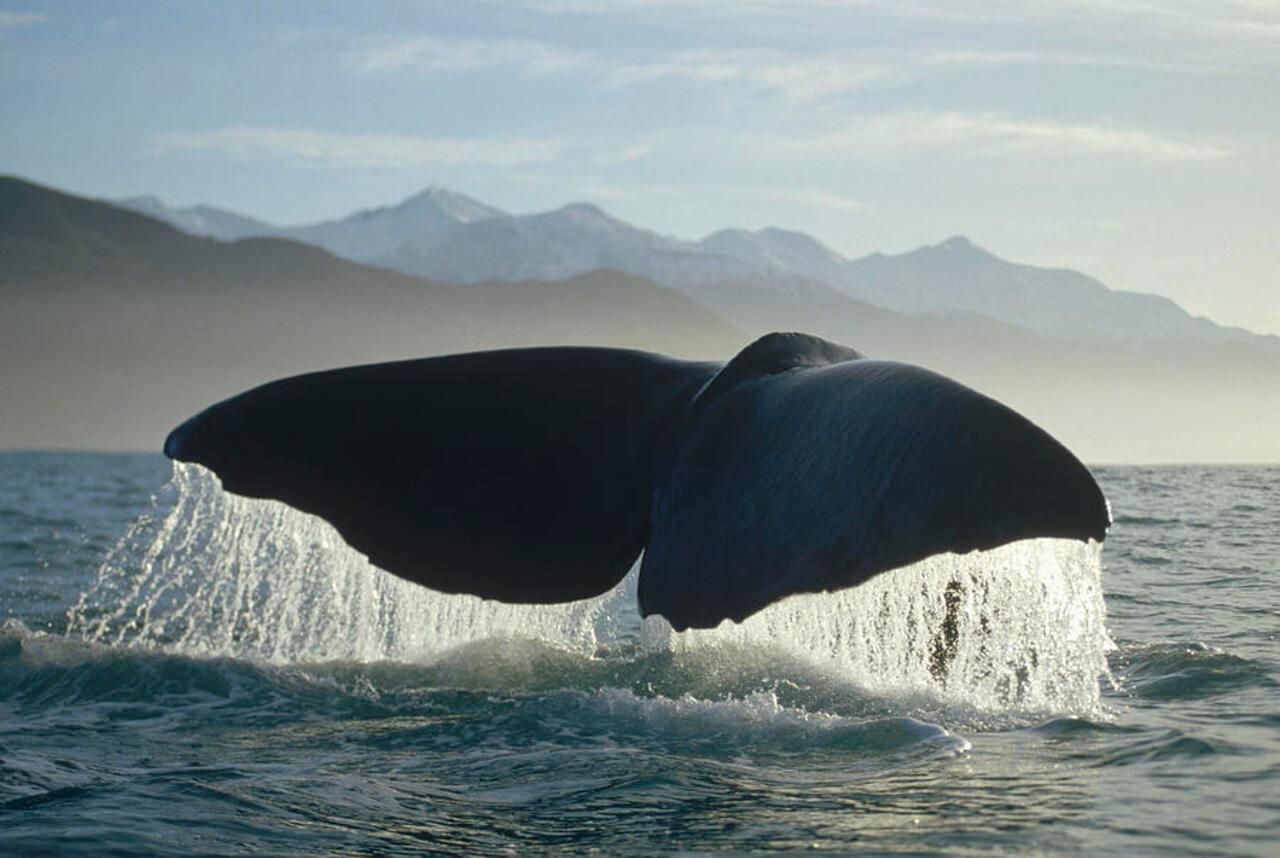
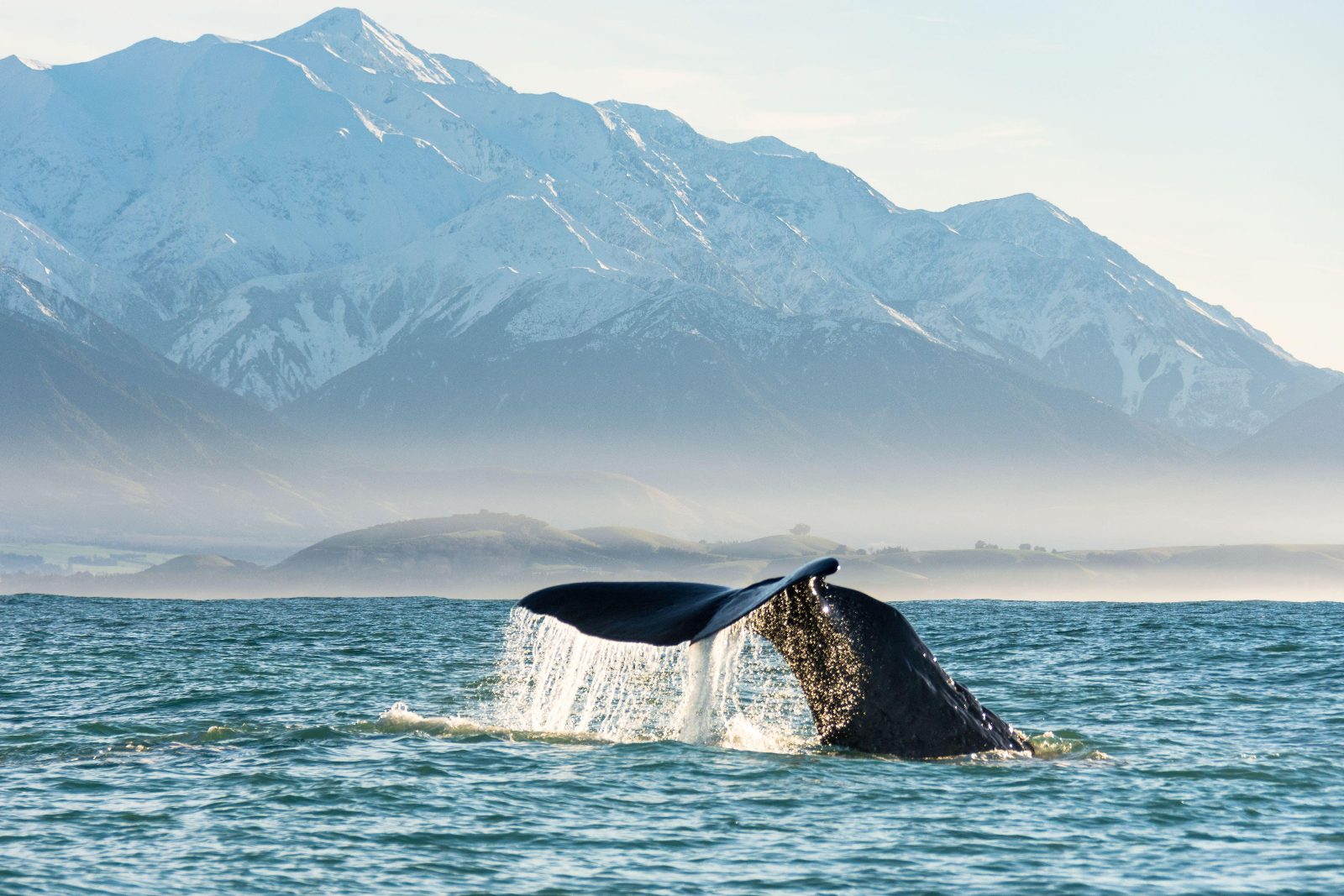
Kaikoura itself sits on a limestone peninsula that juts into the confluence of warm subtropical and cold Antarctic currents. The Māori name, Kai (food) and Koura (crayfish), reflects centuries of dependence on the peninsula's shellfish beds and migratory whale corridors. By the 1840s, European whalers had established shore stations along the coast, processing sperm and southern right whales until stocks collapsed in the early 20th century. The town pivoted to crayfishing and, after 1987, to marine tourism when local operators began running whale-watching excursions. Today, sperm whales remain year-round in the canyon, while dusky dolphins, New Zealand fur seals, and seasonal orcas populate inshore waters. The journey from Christchurch to Kaikoura has become a gateway to this convergence, with travellers departing the flat Canterbury Plains to trace a coastline punctuated by limestone outcrops, tidal platforms, and seal haul-outs.
The drive itself compresses several ecological zones into a single morning's travel. South of the Waiau River, the highway skirts the edge of pastoral hill country before dropping to sea level at Oaro, where limestone cliffs expose fossil-bearing strata from the Oligocene. North of the Haumuri Bluffs, the road narrows between mountain and ocean, passing through tunnels blasted from sedimentary rock and emerging onto viewing platforms that overlook kelp forests and submerged reefs. The Kaikōura Museum, housed in a repurposed post office at 96 West End, documents the region's whaling legacy, seismic history, and Māori settlements, offering context for the landscape traversed en route. Admission is twelve New Zealand dollars, and the museum operates daily from 10:00 to 16:00, with arrival between mid-morning and early afternoon recommended to allow time for the exhibits before closing.

The Australian and Pacific plates grind together offshore, lifting the seabed and creating a submarine canyon that plunges to 1,200 metres within a kilometre of shore.
Casual attire is appropriate for the Kaikōura Museum. Please ensure footwear is worn while exploring the exhibits of your christchurch to kaikoura tour.
Large bags should be kept to a minimum during your visit. The museum is a secure space located within the landmark craypot building.
Personal photography is encouraged at the Kaikōura Museum. Please avoid taking direct photos of protected artworks and the photograph collection.
Families are well-catered for with children's activities including I-spy treasure hunts and quizzes. The museum provides an engaging environment for all ages during a christchurch to kaikoura tour.
The Kaikōura Museum is fully wheelchair accessible. A loan wheelchair is available for visitors with mobility or fatigue issues during a christchurch to kaikoura tour.
Food and drink are not permitted inside the exhibition galleries. Please consume snacks at nearby cafes before starting your christchurch to kaikoura tour.
Opening Hours
10:00–16:00
Address
96 West End, Kaikōura 7340, New Zealand
Access
Wheelchair accessible with loan chairs available
Arrival
Best arrival window: 10:00–15:00
Storage
Limited space, enquire at reception
Nearby
Opposite the local i-SITE visitor centre
Entry fees for the Kaikōura Museum are typically non-refundable once purchased. Please check with your specific booking provider if arranging a guided christchurch to kaikoura tour experience.
Recommended time
1-2 hours
A well-planned christchurch to kaikoura tour typically requires about 1 to 2 hours at the museum to explore the local maritime heritage and geological exhibits. Arriving within the mid-morning window ensures you have sufficient time before the afternoon closing to observe these Kaikoura landmarks without rushing. Those interested in detailed archival research may choose to purchase christchurch to kaikoura tour tickets early to maximize their stay, while casual visitors often find that securing christchurch to kaikoura tour tours for later in the day allows for a more relaxed pace. You should budget extra time if you plan to engage deeply with the curated displays or if your christchurch to kaikoura tour tour schedule is tightly integrated with coastal transport connections.
Crowd levels through the day
The Kaikōura Peninsula has been home to the Ngāi Tahu iwi for over eight centuries, with archaeological evidence revealing seasonal camps and kāinga dating to approximately 1250 CE. The name Kaikōura itself derives from the Māori kai (food) and kōura (crayfish), reflecting the abundance of marine resources that sustained early Polynesian settlers. By the time European whalers arrived in the 1840s, Māori communities had established sophisticated fishing and harvesting practices along the coast, integrating the peninsula into broader trade networks across Te Waipounamu. These practices form the foundation of exhibits at the Kaikōura Museum, which documents the iwi's enduring relationship with the coastline and its marine life. The establishment of whaling stations in 1842 transformed Kaikōura into a frontier industrial hub. Robert Fyffe founded one of the first shore-based operations at Waiopuka, processing southern right whales and humpbacks that migrated through the canyon waters. By 1850, the settlement had grown around the whaling economy, with Pākehā workers, Māori labour, and itinerant sailors forming a volatile, multiethnic community. The Fyffe House, built from whale vertebrae as foundation blocks, stands today as New Zealand's oldest surviving whaling building and anchors the museum's interpretation of this extractive era. Whaling declined sharply after 1860 as whale populations collapsed, leaving Kaikōura economically stranded until sheep farming and later tourism provided alternative livelihoods. Christchurch to Kaikoura tour operators now frequently reference this transition from exploitation to conservation as a narrative pivot. The Kaikōura Museum itself opened in 1977 within a former council chambers building, consolidating decades of privately held artefacts, taonga, and whaling relics. The 2016 earthquake severely damaged the structure, forcing a two-year closure and extensive seismic retrofitting. Reopened in 2018, the museum now presents a dual narrative: the deep time of Māori occupation and the compressed violence of nineteenth-century industry. Exhibits include harpoons, whale oil processing equipment, and pounamu tools, arranged to emphasise rupture rather than continuity. For visitors arriving by road from Christchurch, the museum provides essential historical grounding before engaging with the marine wildlife tours that dominate the modern Kaikōura economy.
Ngāi Tahu establish seasonal settlements on the Kaikōura Peninsula, harvesting kōura and coastal resources.
Robert Fyffe founds Waiopuka whaling station, initiating industrial-scale whale processing along the coast.
Shore-based whaling operations expand, employing Māori and European workers in a volatile frontier economy.
Whale populations collapse, leading to the rapid decline of Kaikōura's whaling industry.
Kaikōura Museum opens in the former council chambers, consolidating regional artefacts and taonga.
November earthquake forces museum closure and triggers two years of seismic strengthening work.
Museum reopens with updated exhibits emphasising Māori continuity and industrial-era rupture.
Planning a christchurch to kaikoura tour is straightforward when you include the Kaikōura Museum as a stop for curious young minds. This attraction offers a relaxed environment to learn about local marine life and heritage during your family road trip.
The museum is fully accessible for strollers, allowing you to navigate the exhibits easily with small children.
Dedicated baby-change facilities are available on-site to support families managing a christchurch to kaikoura tour tours itinerary.
Children aged five and up gain the most from the interactive history displays, while younger toddlers enjoy the visual local maritime landmarks.
You can effectively balance your christchurch to kaikoura tour tickets by spending roughly sixty minutes exploring the galleries at a slow, comfortable pace.
The museum serves as an ideal indoor activity for your christchurch to kaikoura tour tour group if coastal weather conditions are not suitable for outdoor coastal exploration.
Visitors on a christchurch to kaikoura tour will find several convenient dining options located along West End, just a short stroll from the museum. This coastal stretch offers everything from quick snacks to hearty meals, perfect for refueling after exploring local cultural exhibits.
A classic open-air spot known for fresh crayfish and local catch, offering a quintessential taste of the region. It is perfect for a quick, casual lunch while you enjoy the ocean breeze during your christchurch to kaikoura tour tours.
Real experiences from real travelers
The drive from Christchurch to Kaikoura revealed some of the most dramatic coastal scenery I've seen. Our guide pointed out several seal colonies along the way and we stopped for photos at multiple viewpoints. The marine wildlife sightings made the journey memorable.
This Christchurch to Kaikoura tour exceeded expectations with its combination of mountain and ocean landscapes. The commentary about local geology and wildlife added depth to the visual experience. We spotted albatross and dolphins from the coastal lookouts.
Departing at dawn meant we caught the best light on the Seaward Kaikoura Range. The tour included a stop at a local crayfish vendor and time to explore the peninsula walkway. Our driver was knowledgeable about the area's seismic history and recovery.
The landscapes between the two cities are genuinely striking, especially where the mountains drop straight into the Pacific. The whale watching component was weather-dependent and we didn't see much, but the fur seal colony stop compensated. Comfortable coach with good commentary.
We took this tour primarily for the wildlife and were rewarded with close views of dusky dolphins and a sperm whale sighting. The coastal route itself is spectacular, with the road carved between cliffs and ocean. The small group size allowed for flexibility at each stop.
The journey along State Highway 1 showcased the transition from Canterbury Plains to the rugged Kaikoura coast. Our guide shared stories about the 2016 earthquake and the community's resilience. The seafood lunch stop was a highlight, with fresh crayfish straight from the boats.
Taking the Christchurch to Kaikoura tour in winter meant snow-covered peaks and crisp visibility. We stopped at Ohau Point to watch seal pups playing in a waterfall stream. The geology of the uplifted seabed is fascinating and our guide explained it clearly.
The combination of pelagic birds, marine mammals, and mountain scenery makes this route exceptional. Our tour included stops at Goose Bay and the peninsula lookout. The driver adjusted the itinerary based on where whales had been spotted that morning.
The route hugs the coastline for much of the journey, offering constant ocean views against the backdrop of the Seaward ranges. We saw New Zealand fur seals, royal albatross, and even a pod of Hector's dolphins. The commentary about the local Ngāi Tahu history was enlightening.
As a local, I've driven this route many times but the guided tour revealed details I'd never noticed. The stops at lesser-known viewpoints and the expertise about marine ecology made it worthwhile. The limestone formations and fossil beds tell millions of years of geological history.
Everything you need to know for your journey
The Kaikōura Museum is open daily from 10:00–16:00.
Yes, the Kaikōura Museum is fully wheelchair accessible for all visitors.
Admission for foreign adults to the Kaikōura Museum is 12 NZD.
Arriving between 10:00–15:00 is recommended to fully explore the exhibits before closing.
Yes, the museum offers children's treasure hunts and quizzes as part of your christchurch to kaikoura tour.
You may take personal photos, but please avoid capturing specific copyrighted artworks or the private photo collection.
Public parking is available directly across the road from the museum in the West End.
While not always required, booking your christchurch to kaikoura tour in advance helps manage your itinerary.
The museum provides a loan wheelchair and has accessible parking to support your visit.
Join thousands of happy travelers who have discovered this incredible experience
Book Your Experience Now